


Gemini Spark הופך את הצ'אטבוט לסוכן אישי מתמשך

ב-20 במאי 2026 פרסמה Google את סיכום ההכרזות המלא של Google I/O 2026, לאחר שחשפה את Gemini Spark בנאום הפתיחה של I/O ב-19 במאי. Spark הוצג כסוכן AI אישי שנועד להמשיך לעבוד לאורך זמן, גם כשהמשתמש לא צ'אטט איתו באופן פעיל. במקום לענות על פרומפט אחד ולהיעלם, Spark יכול לעקוב אחר יעדים, לאסוף מידע, להכין משימות, ליצור סוכני משנה, לשלוח עדכונים, ולבקש אישור לפני פעולות משמעותיות.
ההכרזה הייתה אחד הסימנים הברורים ביותר לכך ש-Google רואה את עתיד ה-AI כשירותים מתמשכים, לא כשיחות חד-פעמיות. Spark פועל בסביבת הענן של Google ומחובר למערכת האקולוגית הרחבה יותר שלה, מה שאומר שהסוכן יכול פוטנציאלית לעקוב אחר שינויים, לתאם בין כלים, ולהמשיך להכין עבודה גם אחרי שהמשתמש סוגר את המחשב הנייד או עובר למשימה אחרת.
הצ'אטבוט ממתין לשאלה. הסוכן שומר את היעד חי גם אחרי שהשיחה מסתיימת.
משיחה לרציפות
ההבדל בין צ'אטבוט לסוכן מתמשך הוא הרציפות. צ'אטבוט עוזר כל עוד הסשן פתוח. סוכן מתמשך יכול לזכור את המטרה, לעקוב אחר ההתקדמות, להמתין למידע חדש, לפרק יעד למשימות קטנות יותר, ולדווח כשמשהו משתנה. זה הופך את Spark לפחות דומה לתיבת חיפוש ויותר לשירות תפעולי קליל לעבודה אישית ומקצועית.
למה זה חשוב לעסקים
עבור עסקים, השאלה החשובה היא לא אם Spark יכול לענות מהר יותר מצ'אטבוט. היא אם סוכנים מתמשכים ישנו את קצב העבודה. מנהל מכירות יכול לבקש סוכן הכנת חשבונות בזמן אמת. איש רכש יכול לבקש מעקב אחר ספקים. צוות כספים יכול לבקש מעקבי סוף חודש. מנהל בכיר יכול לבקש ניטור נושאים והכנת תדריכים. העוזר מפסיק להיות כלי שמשתמשים בו ברגע נתון והופך לשירות שעובד בין הרגעים.
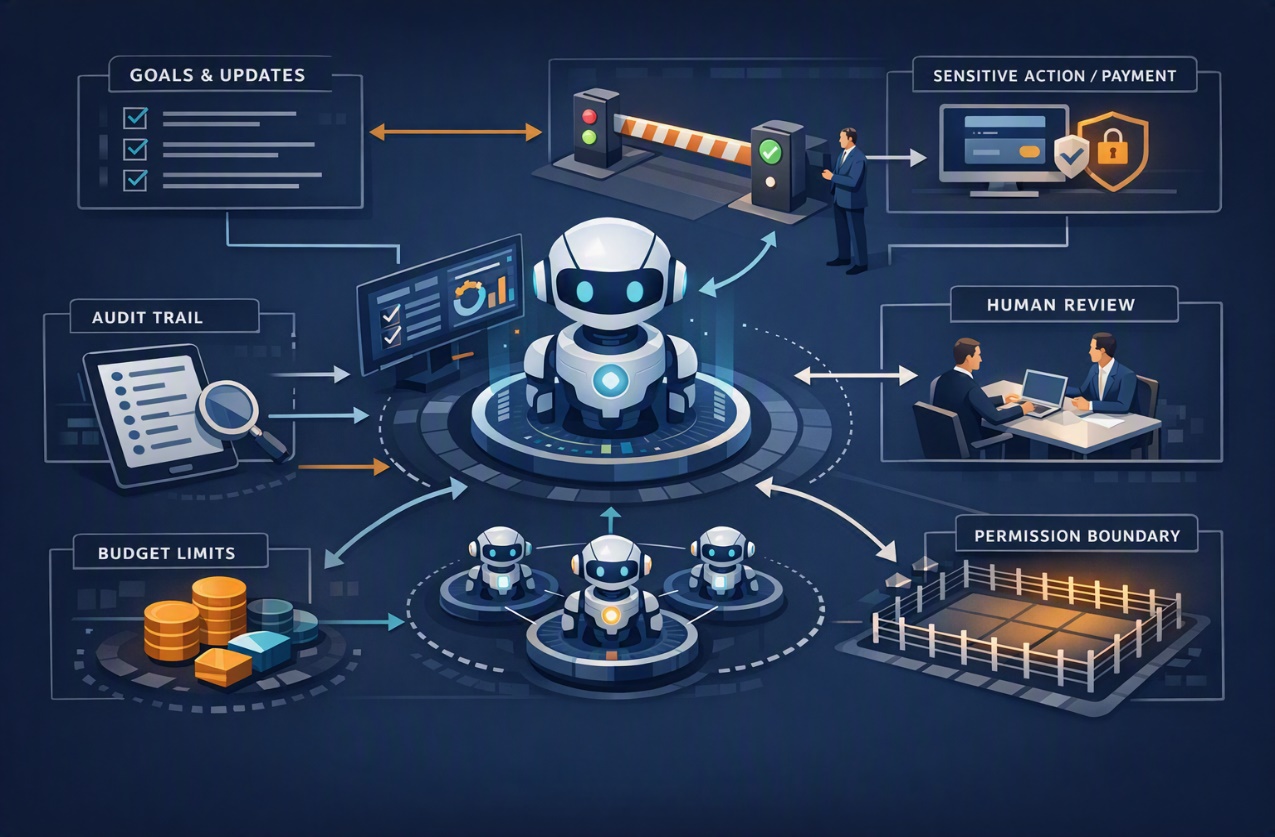
אם סוכן AI יכול להמשיך לעבוד אחרי שהמשתמש סוגר את המחשב הנייד, אילו יעדים מותר לו לרדוף אחריהם, והיכן עליו לעצור ולבקש אישור?
בעיית הממשל: התמדה יוצרת אחריות
סוכן מתמשך יוצר שאלות ניהול חדשות. אם הוא עוקב אחר יעד במשך ימים או שבועות, מי בעל הבעלות על המשימה? אם הוא אוסף מידע מיושן, מי בודק את המקור? אם הוא יוצר סוכני משנה, מי רואה את ההוראות שלהם? אם הוא מכין פעולת תשלום או חוזה, איזה כלל אישור חל? ככל שהסוכן הופך שימושי יותר, כך שביל הביקורת הופך חשוב יותר.
העיצוב הנכון הוא לא אוטונומיה מלאה, וגם לא איסור טוטלי. עסקים צריכים להתחיל בהתמדה מפוקחת: סוכנים שיכולים לחקור, להכין, להזכיר, לסכם ולתאם, אך חייבים לעצור לפני תקשורת חיצונית, התחייבות כספית, פעולה משפטית, הצהרות פונות ללקוח, או שינויים במערכות הרשומות. המטרה היא להשיג את היתרון בפרודוקטיביות מבלי לאבד את האחריותיות.
DNLA Playbook לסוכנים מתמשכים
- התחילו עם יעדים בסיכון נמוך. השתמשו בסוכנים מתמשכים לניטור, סיכומים, תזכורות, הכנת תדריכים ואריזת משימות פנימיות, לפני שמתירים להם לפעול.
- הגדירו שערי אישור. דרשו אישור אנושי עבור תשלומים, הודעות ללקוחות, שינויי חוזים, החלטות גיוס, תביעות משפטיות ועדכוני מערכת.
- הגבילו גישה לנתונים. תנו לסוכנים רק את הקבצים, תיבות הדואר, היומנים והמערכות הדרושים ליעד המוגדר.
- עקבו אחר סוכני משנה. תעדו מה כל סוכן משנה נוצר לעשות, באילו כלים הוא השתמש, ואיזה פלט הוא הפיק.
- קבעו תקציבים וגבולות. אם תשלומים יתאפשרו בהמשך, הגדירו מגבלות הוצאה, קטגוריות ספקים, כללי חריגה ומסלולי הסלמה.
- שמרו שביל ביקורת מלא. אחסנו יעדים, הוראות, מקורות, פעולות, אישורים ופלטים סופיים, כך שניתן יהיה לבדוק את התהליך.
DNLA Take
Gemini Spark הייתה אחת ההכרזות הברורות ביותר בחודש מאי שהראתה את המעבר מצ'אטבוט לשירות אוטונומי ומתמשך. צ'אטבוט עונה כשמבקשים ממנו. Spark תוכנן לשמור על יעד חי, לאסוף מידע, להכין עבודה, ליצור סוכני משנה, לשלוח עדכונים, ולבקש אישור לפני פעולות משמעותיות. זה יוצר דפוס חדש ורב עוצמה לפרודוקטיביות, אבל גם נטל ממשל חדש. אם סוכנים יכולים להמשיך לעבוד בזמן שהמשתמש לא נוכח, עסקים צריכים להגדיר מה מותר להם לרדוף אחריו, לאילו נתונים מותר להם לגשת, אילו פעולות דורשות אישור, ואיך כל התהליך מבוקר. השלב הבא של ה-AI הוא לא רק תשובות חכמות יותר. הוא אחריות מתמשכת לאורך זמן.
רוצים שאותה קפדנות תוחל על מערכת ה-AI שלכם?
בדיוק לשם כך קיים QAi Health Check.